•  
Air Pollution Worsens As Winter Sets In - Kabul

Air Pollution Worsens As Winter Sets In - Kabul

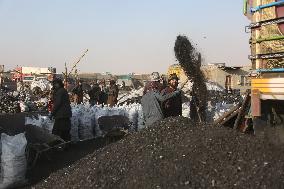
This photo taken on December 15, 2024 shows a coal trading site in Kabul, Afghanistan. As the winter settles in, thick, hazardous smog from burning coal, rubber, and other substandard fuels poses a significant threat to the health of millions of residents in Kabul, the capital of Afghanistan. Photo Saifurahman Safi/Xinhua/ABACAPRESS.COM

  •  
Air Pollution Worsens As Winter Sets In - Kabul

Air Pollution Worsens As Winter Sets In - Kabul

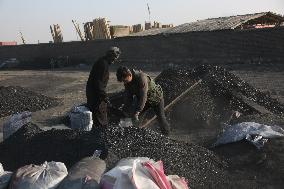
People work at a coal trading site in Kabul, Afghanistan, December 18, 2024. As the winter settles in, thick, hazardous smog from burning coal, rubber, and other substandard fuels poses a significant threat to the health of millions of residents in Kabul, the capital of Afghanistan. Photo Saifurahman Safi/Xinhua/ABACAPRESS.COM

  •  
Air Pollution Worsens As Winter Sets In - Kabul

Air Pollution Worsens As Winter Sets In - Kabul

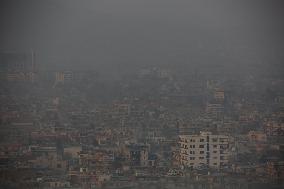
This photo taken on December 15, 2024 shows a city view of Kabul, Afghanistan. As the winter settles in, thick, hazardous smog from burning coal, rubber, and other substandard fuels poses a significant threat to the health of millions of residents in Kabul, the capital of Afghanistan. Photo Saifurahman Safi/Xinhua/ABACAPRESS.COM

  •  
Air Pollution Worsens As Winter Sets In - Kabul

Air Pollution Worsens As Winter Sets In - Kabul

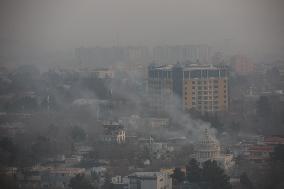
This photo taken on December 15, 2024 shows a city view of Kabul, Afghanistan. As the winter settles in, thick, hazardous smog from burning coal, rubber, and other substandard fuels poses a significant threat to the health of millions of residents in Kabul, the capital of Afghanistan. Photo Saifurahman Safi/Xinhua/ABACAPRESS.COM

  •  
Laborers Work At A Bricks Field In Bangladesh

Laborers Work At A Bricks Field In Bangladesh

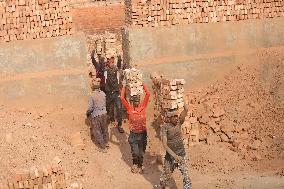
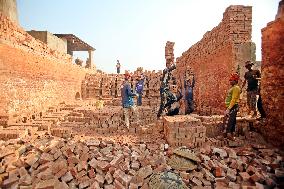
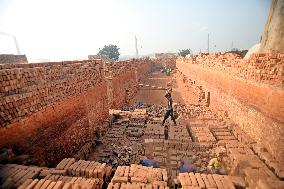
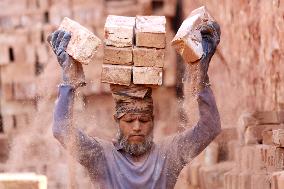
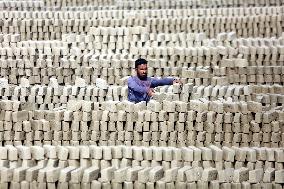
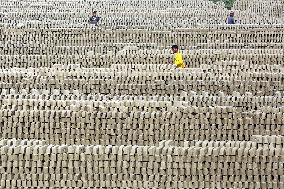
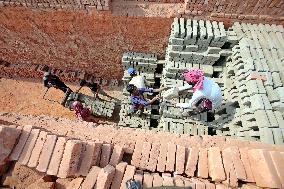
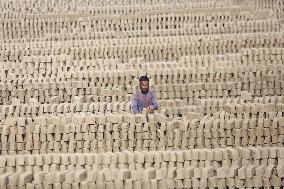
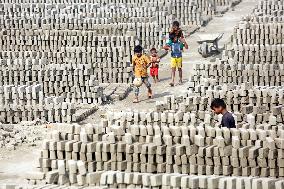
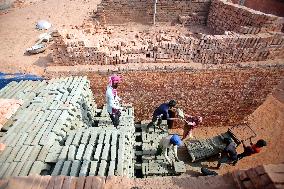
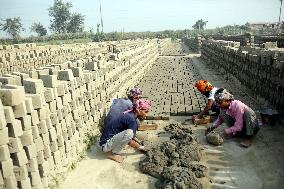
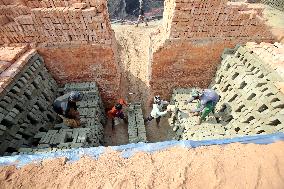
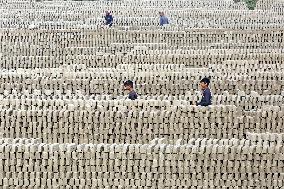
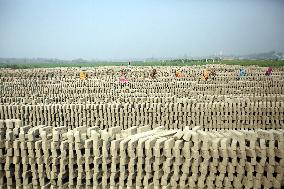
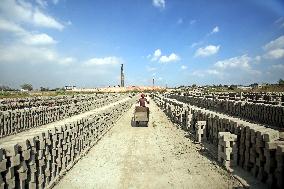
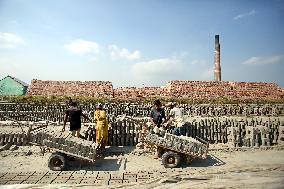
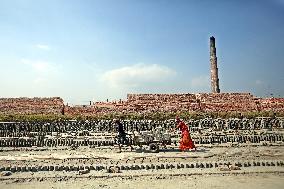
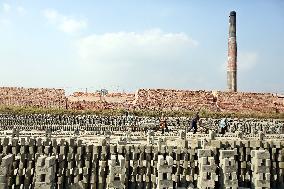
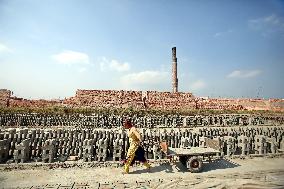
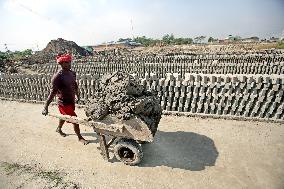
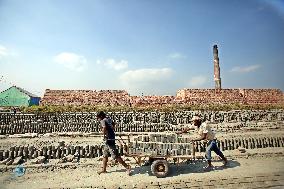
Laborers work at a brickyard on January 28, 2024, in Dhaka, Bangladesh. Bangladesh goes through speedy urbanization. Rapid urbanization generates massive demand for bricks as it is one of the key ingredients to build concrete structures. To meet this growing need, the number of brick-making fields has been increasing at an alarming rate in Bangladesh. Most of them take place in farming lands which causes a reduction in agricultural production, and burning coal causes tremendous emission of Carbon-Di-Oxide (CO2) gas which is primarily responsible for climate change. Photo by Habibur Rahman/ABACAPRESS.COM

  •  
Laborers Work At A Bricks Field In Bangladesh

Laborers Work At A Bricks Field In Bangladesh

Laborers work at a brickyard on January 28, 2024, in Dhaka, Bangladesh. Bangladesh goes through speedy urbanization. Rapid urbanization generates massive demand for bricks as it is one of the key ingredients to build concrete structures. To meet this growing need, the number of brick-making fields has been increasing at an alarming rate in Bangladesh. Most of them take place in farming lands which causes a reduction in agricultural production, and burning coal causes tremendous emission of Carbon-Di-Oxide (CO2) gas which is primarily responsible for climate change. Photo by Habibur Rahman/ABACAPRESS.COM

  •  
Laborers Work At A Bricks Field In Bangladesh

Laborers Work At A Bricks Field In Bangladesh

Laborers work at a brickyard on January 28, 2024, in Dhaka, Bangladesh. Bangladesh goes through speedy urbanization. Rapid urbanization generates massive demand for bricks as it is one of the key ingredients to build concrete structures. To meet this growing need, the number of brick-making fields has been increasing at an alarming rate in Bangladesh. Most of them take place in farming lands which causes a reduction in agricultural production, and burning coal causes tremendous emission of Carbon-Di-Oxide (CO2) gas which is primarily responsible for climate change. Photo by Habibur Rahman/ABACAPRESS.COM

  •  
Laborers Work At A Bricks Field In Bangladesh

Laborers Work At A Bricks Field In Bangladesh

Laborers work at a brickyard on January 28, 2024, in Dhaka, Bangladesh. Bangladesh goes through speedy urbanization. Rapid urbanization generates massive demand for bricks as it is one of the key ingredients to build concrete structures. To meet this growing need, the number of brick-making fields has been increasing at an alarming rate in Bangladesh. Most of them take place in farming lands which causes a reduction in agricultural production, and burning coal causes tremendous emission of Carbon-Di-Oxide (CO2) gas which is primarily responsible for climate change. Photo by Habibur Rahman/ABACAPRESS.COM

  •  
Laborers Work At A Bricks Field In Bangladesh

Laborers Work At A Bricks Field In Bangladesh

Laborers work at a brickyard on January 28, 2024, in Dhaka, Bangladesh. Bangladesh goes through speedy urbanization. Rapid urbanization generates massive demand for bricks as it is one of the key ingredients to build concrete structures. To meet this growing need, the number of brick-making fields has been increasing at an alarming rate in Bangladesh. Most of them take place in farming lands which causes a reduction in agricultural production, and burning coal causes tremendous emission of Carbon-Di-Oxide (CO2) gas which is primarily responsible for climate change. Photo by Habibur Rahman/ABACAPRESS.COM

  •  
Laborers Work At A Bricks Field In Bangladesh

Laborers Work At A Bricks Field In Bangladesh

Laborers work at a brickyard on January 28, 2024, in Dhaka, Bangladesh. Bangladesh goes through speedy urbanization. Rapid urbanization generates massive demand for bricks as it is one of the key ingredients to build concrete structures. To meet this growing need, the number of brick-making fields has been increasing at an alarming rate in Bangladesh. Most of them take place in farming lands which causes a reduction in agricultural production, and burning coal causes tremendous emission of Carbon-Di-Oxide (CO2) gas which is primarily responsible for climate change. Photo by Habibur Rahman/ABACAPRESS.COM

  •  
Laborers Work At A Bricks Field In Bangladesh

Laborers Work At A Bricks Field In Bangladesh

Laborers work at a brickyard on January 28, 2024, in Dhaka, Bangladesh. Bangladesh goes through speedy urbanization. Rapid urbanization generates massive demand for bricks as it is one of the key ingredients to build concrete structures. To meet this growing need, the number of brick-making fields has been increasing at an alarming rate in Bangladesh. Most of them take place in farming lands which causes a reduction in agricultural production, and burning coal causes tremendous emission of Carbon-Di-Oxide (CO2) gas which is primarily responsible for climate change. Photo by Habibur Rahman/ABACAPRESS.COM

  •  
Laborers Work At A Bricks Field In Bangladesh

Laborers Work At A Bricks Field In Bangladesh

Laborers work at a brickyard on January 28, 2024, in Dhaka, Bangladesh. Bangladesh goes through speedy urbanization. Rapid urbanization generates massive demand for bricks as it is one of the key ingredients to build concrete structures. To meet this growing need, the number of brick-making fields has been increasing at an alarming rate in Bangladesh. Most of them take place in farming lands which causes a reduction in agricultural production, and burning coal causes tremendous emission of Carbon-Di-Oxide (CO2) gas which is primarily responsible for climate change. Photo by Habibur Rahman/ABACAPRESS.COM

  •  
Laborers Work At A Bricks Field In Bangladesh

Laborers Work At A Bricks Field In Bangladesh

Laborers work at a brickyard on January 28, 2024, in Dhaka, Bangladesh. Bangladesh goes through speedy urbanization. Rapid urbanization generates massive demand for bricks as it is one of the key ingredients to build concrete structures. To meet this growing need, the number of brick-making fields has been increasing at an alarming rate in Bangladesh. Most of them take place in farming lands which causes a reduction in agricultural production, and burning coal causes tremendous emission of Carbon-Di-Oxide (CO2) gas which is primarily responsible for climate change. Photo by Habibur Rahman/ABACAPRESS.COM

  •  
Laborers Work At A Bricks Field In Bangladesh

Laborers Work At A Bricks Field In Bangladesh

Laborers work at a brickyard on January 28, 2024, in Dhaka, Bangladesh. Bangladesh goes through speedy urbanization. Rapid urbanization generates massive demand for bricks as it is one of the key ingredients to build concrete structures. To meet this growing need, the number of brick-making fields has been increasing at an alarming rate in Bangladesh. Most of them take place in farming lands which causes a reduction in agricultural production, and burning coal causes tremendous emission of Carbon-Di-Oxide (CO2) gas which is primarily responsible for climate change. Photo by Habibur Rahman/ABACAPRESS.COM

  •  
Laborers Work At A Bricks Field In Bangladesh

Laborers Work At A Bricks Field In Bangladesh

Laborers work at a brickyard on January 28, 2024, in Dhaka, Bangladesh. Bangladesh goes through speedy urbanization. Rapid urbanization generates massive demand for bricks as it is one of the key ingredients to build concrete structures. To meet this growing need, the number of brick-making fields has been increasing at an alarming rate in Bangladesh. Most of them take place in farming lands which causes a reduction in agricultural production, and burning coal causes tremendous emission of Carbon-Di-Oxide (CO2) gas which is primarily responsible for climate change. Photo by Habibur Rahman/ABACAPRESS.COM

  •  
Laborers Work At A Bricks Field In Bangladesh

Laborers Work At A Bricks Field In Bangladesh

Laborers work at a brickyard on January 28, 2024, in Dhaka, Bangladesh. Bangladesh goes through speedy urbanization. Rapid urbanization generates massive demand for bricks as it is one of the key ingredients to build concrete structures. To meet this growing need, the number of brick-making fields has been increasing at an alarming rate in Bangladesh. Most of them take place in farming lands which causes a reduction in agricultural production, and burning coal causes tremendous emission of Carbon-Di-Oxide (CO2) gas which is primarily responsible for climate change. Photo by Habibur Rahman/ABACAPRESS.COM

  •  
Laborers Work At A Bricks Field In Bangladesh

Laborers Work At A Bricks Field In Bangladesh

Laborers work at a brickyard on January 28, 2024, in Dhaka, Bangladesh. Bangladesh goes through speedy urbanization. Rapid urbanization generates massive demand for bricks as it is one of the key ingredients to build concrete structures. To meet this growing need, the number of brick-making fields has been increasing at an alarming rate in Bangladesh. Most of them take place in farming lands which causes a reduction in agricultural production, and burning coal causes tremendous emission of Carbon-Di-Oxide (CO2) gas which is primarily responsible for climate change. Photo by Habibur Rahman/ABACAPRESS.COM

  •  
Laborers Work At A Bricks Field In Bangladesh

Laborers Work At A Bricks Field In Bangladesh

Laborers work at a brickyard on January 28, 2024, in Dhaka, Bangladesh. Bangladesh goes through speedy urbanization. Rapid urbanization generates massive demand for bricks as it is one of the key ingredients to build concrete structures. To meet this growing need, the number of brick-making fields has been increasing at an alarming rate in Bangladesh. Most of them take place in farming lands which causes a reduction in agricultural production, and burning coal causes tremendous emission of Carbon-Di-Oxide (CO2) gas which is primarily responsible for climate change. Photo by Habibur Rahman/ABACAPRESS.COM

  •  
Laborers Work At A Bricks Field In Bangladesh

Laborers Work At A Bricks Field In Bangladesh

Laborers work at a brickyard on January 28, 2024, in Dhaka, Bangladesh. Bangladesh goes through speedy urbanization. Rapid urbanization generates massive demand for bricks as it is one of the key ingredients to build concrete structures. To meet this growing need, the number of brick-making fields has been increasing at an alarming rate in Bangladesh. Most of them take place in farming lands which causes a reduction in agricultural production, and burning coal causes tremendous emission of Carbon-Di-Oxide (CO2) gas which is primarily responsible for climate change. Photo by Habibur Rahman/ABACAPRESS.COM

  •  
Laborers Work At A Bricks Field In Bangladesh

Laborers Work At A Bricks Field In Bangladesh

Laborers work at a brickyard on January 28, 2024, in Dhaka, Bangladesh. Bangladesh goes through speedy urbanization. Rapid urbanization generates massive demand for bricks as it is one of the key ingredients to build concrete structures. To meet this growing need, the number of brick-making fields has been increasing at an alarming rate in Bangladesh. Most of them take place in farming lands which causes a reduction in agricultural production, and burning coal causes tremendous emission of Carbon-Di-Oxide (CO2) gas which is primarily responsible for climate change. Photo by Habibur Rahman/ABACAPRESS.COM

  •  
Laborers Work At A Bricks Field In Bangladesh

Laborers Work At A Bricks Field In Bangladesh

Laborers work at a brickyard on January 28, 2024, in Dhaka, Bangladesh. Bangladesh goes through speedy urbanization. Rapid urbanization generates massive demand for bricks as it is one of the key ingredients to build concrete structures. To meet this growing need, the number of brick-making fields has been increasing at an alarming rate in Bangladesh. Most of them take place in farming lands which causes a reduction in agricultural production, and burning coal causes tremendous emission of Carbon-Di-Oxide (CO2) gas which is primarily responsible for climate change. Photo by Habibur Rahman/ABACAPRESS.COM

  •  
Laborers Work At A Bricks Field In Bangladesh

Laborers Work At A Bricks Field In Bangladesh

Laborers work at a brickyard on January 28, 2024, in Dhaka, Bangladesh. Bangladesh goes through speedy urbanization. Rapid urbanization generates massive demand for bricks as it is one of the key ingredients to build concrete structures. To meet this growing need, the number of brick-making fields has been increasing at an alarming rate in Bangladesh. Most of them take place in farming lands which causes a reduction in agricultural production, and burning coal causes tremendous emission of Carbon-Di-Oxide (CO2) gas which is primarily responsible for climate change. Photo by Habibur Rahman/ABACAPRESS.COM

  •  
Laborers Work At A Bricks Field In Bangladesh

Laborers Work At A Bricks Field In Bangladesh

Laborers work at a brickyard on January 28, 2024, in Dhaka, Bangladesh. Bangladesh goes through speedy urbanization. Rapid urbanization generates massive demand for bricks as it is one of the key ingredients to build concrete structures. To meet this growing need, the number of brick-making fields has been increasing at an alarming rate in Bangladesh. Most of them take place in farming lands which causes a reduction in agricultural production, and burning coal causes tremendous emission of Carbon-Di-Oxide (CO2) gas which is primarily responsible for climate change. Photo by Habibur Rahman/ABACAPRESS.COM

  •  
Laborers Work At A Bricks Field In Bangladesh

Laborers Work At A Bricks Field In Bangladesh

Laborers work at a brickyard on January 28, 2024, in Dhaka, Bangladesh. Bangladesh goes through speedy urbanization. Rapid urbanization generates massive demand for bricks as it is one of the key ingredients to build concrete structures. To meet this growing need, the number of brick-making fields has been increasing at an alarming rate in Bangladesh. Most of them take place in farming lands which causes a reduction in agricultural production, and burning coal causes tremendous emission of Carbon-Di-Oxide (CO2) gas which is primarily responsible for climate change. Photo by Habibur Rahman/ABACAPRESS.COM

  •  
Laborers Work At A Bricks Field In Bangladesh

Laborers Work At A Bricks Field In Bangladesh

Laborers work at a brickyard on January 28, 2024, in Dhaka, Bangladesh. Bangladesh goes through speedy urbanization. Rapid urbanization generates massive demand for bricks as it is one of the key ingredients to build concrete structures. To meet this growing need, the number of brick-making fields has been increasing at an alarming rate in Bangladesh. Most of them take place in farming lands which causes a reduction in agricultural production, and burning coal causes tremendous emission of Carbon-Di-Oxide (CO2) gas which is primarily responsible for climate change. Photo by Habibur Rahman/ABACAPRESS.COM

  •  
Laborers Work At A Bricks Field In Bangladesh

Laborers Work At A Bricks Field In Bangladesh

Laborers work at a brickyard on January 28, 2024, in Dhaka, Bangladesh. Bangladesh goes through speedy urbanization. Rapid urbanization generates massive demand for bricks as it is one of the key ingredients to build concrete structures. To meet this growing need, the number of brick-making fields has been increasing at an alarming rate in Bangladesh. Most of them take place in farming lands which causes a reduction in agricultural production, and burning coal causes tremendous emission of Carbon-Di-Oxide (CO2) gas which is primarily responsible for climate change. Photo by Habibur Rahman/ABACAPRESS.COM

  •  
Laborers Work At A Bricks Field In Bangladesh

Laborers Work At A Bricks Field In Bangladesh

Laborers work at a brickyard on January 28, 2024, in Dhaka, Bangladesh. Bangladesh goes through speedy urbanization. Rapid urbanization generates massive demand for bricks as it is one of the key ingredients to build concrete structures. To meet this growing need, the number of brick-making fields has been increasing at an alarming rate in Bangladesh. Most of them take place in farming lands which causes a reduction in agricultural production, and burning coal causes tremendous emission of Carbon-Di-Oxide (CO2) gas which is primarily responsible for climate change. Photo by Habibur Rahman/ABACAPRESS.COM

  •  
Laborers Work At A Bricks Field In Bangladesh

Laborers Work At A Bricks Field In Bangladesh

Laborers work at a brickyard on January 28, 2024, in Dhaka, Bangladesh. Bangladesh goes through speedy urbanization. Rapid urbanization generates massive demand for bricks as it is one of the key ingredients to build concrete structures. To meet this growing need, the number of brick-making fields has been increasing at an alarming rate in Bangladesh. Most of them take place in farming lands which causes a reduction in agricultural production, and burning coal causes tremendous emission of Carbon-Di-Oxide (CO2) gas which is primarily responsible for climate change. Photo by Habibur Rahman/ABACAPRESS.COM

  •  
Laborers Work At A Bricks Field In Bangladesh

Laborers Work At A Bricks Field In Bangladesh

Laborers work at a brickyard on January 28, 2024, in Dhaka, Bangladesh. Bangladesh goes through speedy urbanization. Rapid urbanization generates massive demand for bricks as it is one of the key ingredients to build concrete structures. To meet this growing need, the number of brick-making fields has been increasing at an alarming rate in Bangladesh. Most of them take place in farming lands which causes a reduction in agricultural production, and burning coal causes tremendous emission of Carbon-Di-Oxide (CO2) gas which is primarily responsible for climate change. Photo by Habibur Rahman/ABACAPRESS.COM

  •  
Laborers Work At A Bricks Field In Bangladesh

Laborers Work At A Bricks Field In Bangladesh

Laborers work at a brickyard on January 28, 2024, in Dhaka, Bangladesh. Bangladesh goes through speedy urbanization. Rapid urbanization generates massive demand for bricks as it is one of the key ingredients to build concrete structures. To meet this growing need, the number of brick-making fields has been increasing at an alarming rate in Bangladesh. Most of them take place in farming lands which causes a reduction in agricultural production, and burning coal causes tremendous emission of Carbon-Di-Oxide (CO2) gas which is primarily responsible for climate change. Photo by Habibur Rahman/ABACAPRESS.COM

  •  
Laborers Work At A Bricks Field In Bangladesh

Laborers Work At A Bricks Field In Bangladesh

Laborers work at a brickyard on January 28, 2024, in Dhaka, Bangladesh. Bangladesh goes through speedy urbanization. Rapid urbanization generates massive demand for bricks as it is one of the key ingredients to build concrete structures. To meet this growing need, the number of brick-making fields has been increasing at an alarming rate in Bangladesh. Most of them take place in farming lands which causes a reduction in agricultural production, and burning coal causes tremendous emission of Carbon-Di-Oxide (CO2) gas which is primarily responsible for climate change. Photo by Habibur Rahman/ABACAPRESS.COM

  •  
Laborers Work At A Bricks Field In Bangladesh

Laborers Work At A Bricks Field In Bangladesh

Laborers work at a brickyard on January 28, 2024, in Dhaka, Bangladesh. Bangladesh goes through speedy urbanization. Rapid urbanization generates massive demand for bricks as it is one of the key ingredients to build concrete structures. To meet this growing need, the number of brick-making fields has been increasing at an alarming rate in Bangladesh. Most of them take place in farming lands which causes a reduction in agricultural production, and burning coal causes tremendous emission of Carbon-Di-Oxide (CO2) gas which is primarily responsible for climate change. Photo by Habibur Rahman/ABACAPRESS.COM

  •  
Laborers Work At A Bricks Field In Bangladesh

Laborers Work At A Bricks Field In Bangladesh

Laborers work at a brickyard on January 28, 2024, in Dhaka, Bangladesh. Bangladesh goes through speedy urbanization. Rapid urbanization generates massive demand for bricks as it is one of the key ingredients to build concrete structures. To meet this growing need, the number of brick-making fields has been increasing at an alarming rate in Bangladesh. Most of them take place in farming lands which causes a reduction in agricultural production, and burning coal causes tremendous emission of Carbon-Di-Oxide (CO2) gas which is primarily responsible for climate change. Photo by Habibur Rahman/ABACAPRESS.COM

  •  
Laborers Work At A Bricks Field In Bangladesh

Laborers Work At A Bricks Field In Bangladesh

Laborers work at a brickyard on January 28, 2024, in Dhaka, Bangladesh. Bangladesh goes through speedy urbanization. Rapid urbanization generates massive demand for bricks as it is one of the key ingredients to build concrete structures. To meet this growing need, the number of brick-making fields has been increasing at an alarming rate in Bangladesh. Most of them take place in farming lands which causes a reduction in agricultural production, and burning coal causes tremendous emission of Carbon-Di-Oxide (CO2) gas which is primarily responsible for climate change. Photo by Habibur Rahman/ABACAPRESS.COM

  •  

China's Henan steps up efforts to adopt green heating methods

STORY: China's Henan steps up efforts to adopt green heating methods SHOOTING TIME: Nov. 29, 2023 DATELINE: Dec. 25, 2023 LENGTH: 00:01:23 LOCATION: ZHENGZHOU, China CATEGORY: ENVIRONMENT/SOCIETY SHOTLIST: 1. various of Zhecheng County in China's Henan Province 2. SOUNDBITE 1 (Chinese): LI XIAOHU, Deputy general manager of local renewable energy company 3. SOUNDBITE 2 (Chinese): LI XIAOHU, Deputy general manager of local renewable energy company 4. SOUNDBITE 3 (Chinese): CAO XIUYONG, Party secretary of Weidikou Village, Zhecheng County, Henan Province STORYLINE: Central China's Henan Province has been stepping up efforts to adopt green heating methods instead of burning coal during the winter heating season. In Zhecheng County of Shangqiu City, a local renewable energy company is generating electricity by incinerating household waste. SOUNDBITE 1 (Chinese): LI XIAOHU, Deputy general manager of local renewable energy company "Household waste used to be disposed by landfill, which could pollute soil. Our

  •  
Laborers Work At A Brickyard - Bangladesh

Laborers Work At A Brickyard - Bangladesh

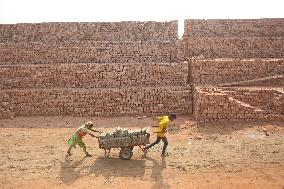
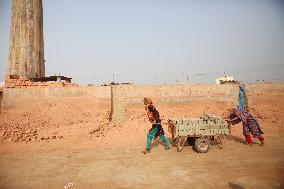
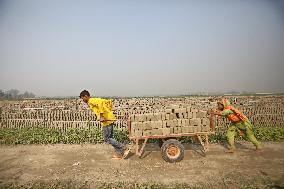
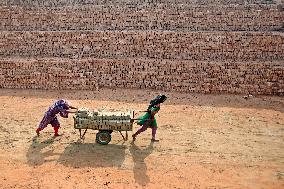
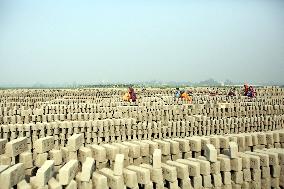
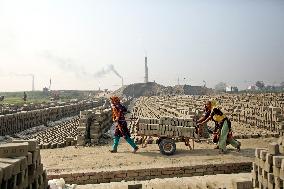
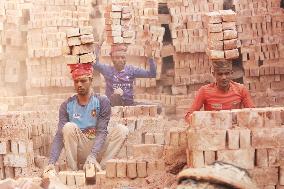
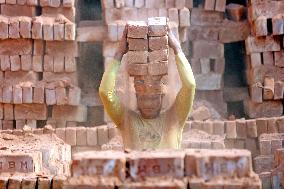
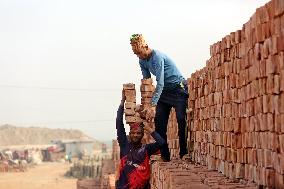
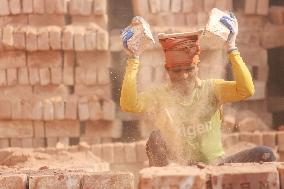
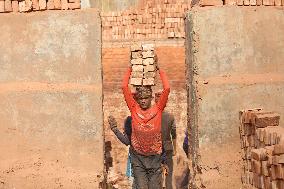
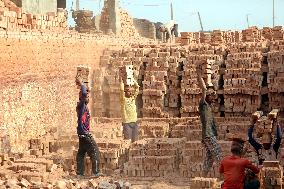
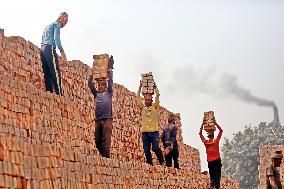
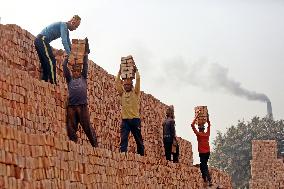
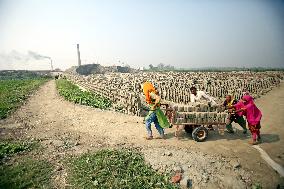
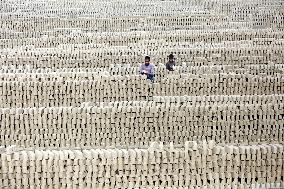
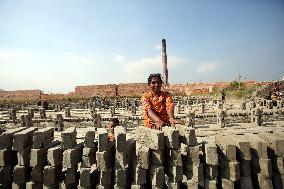
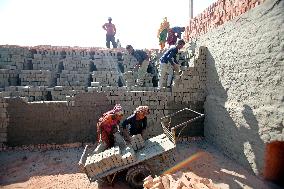
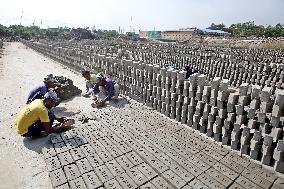
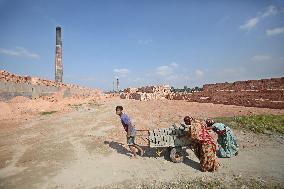
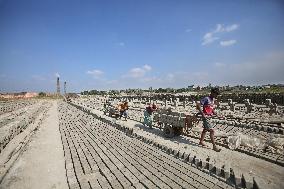
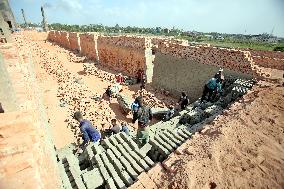
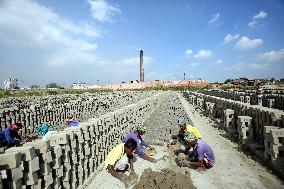
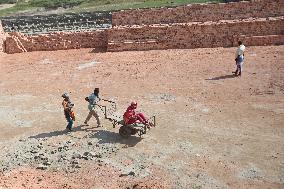
Laborer work at a brickyard. Bangladesh goes through speedy urbanization. Rapid urbanization generates massive demand for bricks as it is one of the key ingredients to build concrete structures. To meet this growing need, the number of brick-making fields has been increasing at an alarming rate in Bangladesh. Most of them take place in farming lands which causes a reduction in agricultural production, and burning coal causes tremendous emission of Carbon-Di-Oxide (CO2) gas which is primarily responsible for climate change. On November 26, 2023 in Dhaka, Bangladesh.Most laborers work here 7 days a week and get BDT (Bangladeshi taka) 450 ($ 4.37) per day. Photo by Habibur Rahman/ABACAPRESS.COM

  •  
Laborers Work At A Brickyard - Bangladesh

Laborers Work At A Brickyard - Bangladesh

Laborer work at a brickyard. Bangladesh goes through speedy urbanization. Rapid urbanization generates massive demand for bricks as it is one of the key ingredients to build concrete structures. To meet this growing need, the number of brick-making fields has been increasing at an alarming rate in Bangladesh. Most of them take place in farming lands which causes a reduction in agricultural production, and burning coal causes tremendous emission of Carbon-Di-Oxide (CO2) gas which is primarily responsible for climate change. On November 26, 2023 in Dhaka, Bangladesh.Most laborers work here 7 days a week and get BDT (Bangladeshi taka) 450 ($ 4.37) per day. Photo by Habibur Rahman/ABACAPRESS.COM

  •  
Laborers Work At A Brickyard - Bangladesh

Laborers Work At A Brickyard - Bangladesh

Laborer work at a brickyard. Bangladesh goes through speedy urbanization. Rapid urbanization generates massive demand for bricks as it is one of the key ingredients to build concrete structures. To meet this growing need, the number of brick-making fields has been increasing at an alarming rate in Bangladesh. Most of them take place in farming lands which causes a reduction in agricultural production, and burning coal causes tremendous emission of Carbon-Di-Oxide (CO2) gas which is primarily responsible for climate change. On November 26, 2023 in Dhaka, Bangladesh.Most laborers work here 7 days a week and get BDT (Bangladeshi taka) 450 ($ 4.37) per day. Photo by Habibur Rahman/ABACAPRESS.COM

  •  
Laborers Work At A Brickyard - Bangladesh

Laborers Work At A Brickyard - Bangladesh

Laborer work at a brickyard. Bangladesh goes through speedy urbanization. Rapid urbanization generates massive demand for bricks as it is one of the key ingredients to build concrete structures. To meet this growing need, the number of brick-making fields has been increasing at an alarming rate in Bangladesh. Most of them take place in farming lands which causes a reduction in agricultural production, and burning coal causes tremendous emission of Carbon-Di-Oxide (CO2) gas which is primarily responsible for climate change. On November 26, 2023 in Dhaka, Bangladesh.Most laborers work here 7 days a week and get BDT (Bangladeshi taka) 450 ($ 4.37) per day. Photo by Habibur Rahman/ABACAPRESS.COM

  •  
Laborers Work At A Brickyard - Bangladesh

Laborers Work At A Brickyard - Bangladesh

Laborer work at a brickyard. Bangladesh goes through speedy urbanization. Rapid urbanization generates massive demand for bricks as it is one of the key ingredients to build concrete structures. To meet this growing need, the number of brick-making fields has been increasing at an alarming rate in Bangladesh. Most of them take place in farming lands which causes a reduction in agricultural production, and burning coal causes tremendous emission of Carbon-Di-Oxide (CO2) gas which is primarily responsible for climate change. On November 26, 2023 in Dhaka, Bangladesh.Most laborers work here 7 days a week and get BDT (Bangladeshi taka) 450 ($ 4.37) per day. Photo by Habibur Rahman/ABACAPRESS.COM

  •  
Laborers Work At A Brickyard - Bangladesh

Laborers Work At A Brickyard - Bangladesh

Laborer work at a brickyard. Bangladesh goes through speedy urbanization. Rapid urbanization generates massive demand for bricks as it is one of the key ingredients to build concrete structures. To meet this growing need, the number of brick-making fields has been increasing at an alarming rate in Bangladesh. Most of them take place in farming lands which causes a reduction in agricultural production, and burning coal causes tremendous emission of Carbon-Di-Oxide (CO2) gas which is primarily responsible for climate change. On November 26, 2023 in Dhaka, Bangladesh.Most laborers work here 7 days a week and get BDT (Bangladeshi taka) 450 ($ 4.37) per day. Photo by Habibur Rahman/ABACAPRESS.COM

  •  
Laborers Work At A Brickyard - Bangladesh

Laborers Work At A Brickyard - Bangladesh

Laborer work at a brickyard. Bangladesh goes through speedy urbanization. Rapid urbanization generates massive demand for bricks as it is one of the key ingredients to build concrete structures. To meet this growing need, the number of brick-making fields has been increasing at an alarming rate in Bangladesh. Most of them take place in farming lands which causes a reduction in agricultural production, and burning coal causes tremendous emission of Carbon-Di-Oxide (CO2) gas which is primarily responsible for climate change. On November 26, 2023 in Dhaka, Bangladesh.Most laborers work here 7 days a week and get BDT (Bangladeshi taka) 450 ($ 4.37) per day. Photo by Habibur Rahman/ABACAPRESS.COM

  •  
Laborers Work At A Brickyard - Bangladesh

Laborers Work At A Brickyard - Bangladesh

Laborer work at a brickyard. Bangladesh goes through speedy urbanization. Rapid urbanization generates massive demand for bricks as it is one of the key ingredients to build concrete structures. To meet this growing need, the number of brick-making fields has been increasing at an alarming rate in Bangladesh. Most of them take place in farming lands which causes a reduction in agricultural production, and burning coal causes tremendous emission of Carbon-Di-Oxide (CO2) gas which is primarily responsible for climate change. On November 26, 2023 in Dhaka, Bangladesh.Most laborers work here 7 days a week and get BDT (Bangladeshi taka) 450 ($ 4.37) per day. Photo by Habibur Rahman/ABACAPRESS.COM

  •  
Laborers Work At A Brickyard - Bangladesh

Laborers Work At A Brickyard - Bangladesh

Laborer work at a brickyard. Bangladesh goes through speedy urbanization. Rapid urbanization generates massive demand for bricks as it is one of the key ingredients to build concrete structures. To meet this growing need, the number of brick-making fields has been increasing at an alarming rate in Bangladesh. Most of them take place in farming lands which causes a reduction in agricultural production, and burning coal causes tremendous emission of Carbon-Di-Oxide (CO2) gas which is primarily responsible for climate change. On November 26, 2023 in Dhaka, Bangladesh.Most laborers work here 7 days a week and get BDT (Bangladeshi taka) 450 ($ 4.37) per day. Photo by Habibur Rahman/ABACAPRESS.COM

  •  
Laborers Work At A Brickyard - Bangladesh

Laborers Work At A Brickyard - Bangladesh

Laborer work at a brickyard. Bangladesh goes through speedy urbanization. Rapid urbanization generates massive demand for bricks as it is one of the key ingredients to build concrete structures. To meet this growing need, the number of brick-making fields has been increasing at an alarming rate in Bangladesh. Most of them take place in farming lands which causes a reduction in agricultural production, and burning coal causes tremendous emission of Carbon-Di-Oxide (CO2) gas which is primarily responsible for climate change. On November 26, 2023 in Dhaka, Bangladesh.Most laborers work here 7 days a week and get BDT (Bangladeshi taka) 450 ($ 4.37) per day. Photo by Habibur Rahman/ABACAPRESS.COM

  •  
Laborers Work At A Brickyard - Bangladesh

Laborers Work At A Brickyard - Bangladesh

Laborer work at a brickyard. Bangladesh goes through speedy urbanization. Rapid urbanization generates massive demand for bricks as it is one of the key ingredients to build concrete structures. To meet this growing need, the number of brick-making fields has been increasing at an alarming rate in Bangladesh. Most of them take place in farming lands which causes a reduction in agricultural production, and burning coal causes tremendous emission of Carbon-Di-Oxide (CO2) gas which is primarily responsible for climate change. On November 26, 2023 in Dhaka, Bangladesh.Most laborers work here 7 days a week and get BDT (Bangladeshi taka) 450 ($ 4.37) per day. Photo by Habibur Rahman/ABACAPRESS.COM

  •  
Laborers Work At A Brickyard - Bangladesh

Laborers Work At A Brickyard - Bangladesh

Laborer work at a brickyard. Bangladesh goes through speedy urbanization. Rapid urbanization generates massive demand for bricks as it is one of the key ingredients to build concrete structures. To meet this growing need, the number of brick-making fields has been increasing at an alarming rate in Bangladesh. Most of them take place in farming lands which causes a reduction in agricultural production, and burning coal causes tremendous emission of Carbon-Di-Oxide (CO2) gas which is primarily responsible for climate change. On November 26, 2023 in Dhaka, Bangladesh.Most laborers work here 7 days a week and get BDT (Bangladeshi taka) 450 ($ 4.37) per day. Photo by Habibur Rahman/ABACAPRESS.COM

  •  
Laborers Work At A Brickyard - Bangladesh

Laborers Work At A Brickyard - Bangladesh

Laborer work at a brickyard. Bangladesh goes through speedy urbanization. Rapid urbanization generates massive demand for bricks as it is one of the key ingredients to build concrete structures. To meet this growing need, the number of brick-making fields has been increasing at an alarming rate in Bangladesh. Most of them take place in farming lands which causes a reduction in agricultural production, and burning coal causes tremendous emission of Carbon-Di-Oxide (CO2) gas which is primarily responsible for climate change. On November 26, 2023 in Dhaka, Bangladesh.Most laborers work here 7 days a week and get BDT (Bangladeshi taka) 450 ($ 4.37) per day. Photo by Habibur Rahman/ABACAPRESS.COM

  •  
Laborers Work At A Brickyard - Bangladesh

Laborers Work At A Brickyard - Bangladesh

Laborer work at a brickyard. Bangladesh goes through speedy urbanization. Rapid urbanization generates massive demand for bricks as it is one of the key ingredients to build concrete structures. To meet this growing need, the number of brick-making fields has been increasing at an alarming rate in Bangladesh. Most of them take place in farming lands which causes a reduction in agricultural production, and burning coal causes tremendous emission of Carbon-Di-Oxide (CO2) gas which is primarily responsible for climate change. On November 26, 2023 in Dhaka, Bangladesh.Most laborers work here 7 days a week and get BDT (Bangladeshi taka) 450 ($ 4.37) per day. Photo by Habibur Rahman/ABACAPRESS.COM

  •  
Laborers Work At A Brickyard - Bangladesh

Laborers Work At A Brickyard - Bangladesh

Laborer work at a brickyard. Bangladesh goes through speedy urbanization. Rapid urbanization generates massive demand for bricks as it is one of the key ingredients to build concrete structures. To meet this growing need, the number of brick-making fields has been increasing at an alarming rate in Bangladesh. Most of them take place in farming lands which causes a reduction in agricultural production, and burning coal causes tremendous emission of Carbon-Di-Oxide (CO2) gas which is primarily responsible for climate change. On November 26, 2023 in Dhaka, Bangladesh.Most laborers work here 7 days a week and get BDT (Bangladeshi taka) 450 ($ 4.37) per day. Photo by Habibur Rahman/ABACAPRESS.COM

  • Main
  • Top
  • Editorial
  • Creative
  • About Us
  • About ILG
  • Terms of use
  • Company
  • BEHIND
  • Price List
  • Single Plan
  • Monthly Plan
  • Services
  • Shooting
  • Rights Clearance
  • Support
  • FAQ
  • How To Buy
  • Contact Us
  • Become a Partner

© KYODO NEWS IMAGES INC

All Rights Reserved.

  • Editorial
  • Olympics
  • News
  • Sports
  • Japan
  • Tech
  • Royal
  • Disaster
  • NorthKorea
  • Old Japan
  • SNS
  • Creative
  • Food
  • Japan
  • Landscape
  • Animal
  • Popular
  • #Ukraine
  • #Russia
  • #coronavirus
  • #N. Korea
  • #Thailand
  • #China
  • #Ukraine
  • #Russia
  • #coronavirus
  • #N. Korea
  • #Thailand
  • #China
  • Food
  • Japan
  • Landscape
  • Animal
  • Olympics
  • News
  • Sports
  • Japan
  • Tech
  • Royal
  • Disaster
  • NorthKorea
  • Old Japan
  • SNS